
New traffic scheme leads to 'bike boom' in Brussels

Within a year, Brussels has seen a 27% reduction in car traffic and a 36% increase in the number of city residents using bicycles. This is the result of the new Good Move traffic management plan implementation in the centre of the Belgian capital.
On 16 August 2022, a new traffic management plan called Good Move was introduced in the historic part of Brussels, covering an area of 4.6 square kilometres. The city authorities introduced restricted access zones for cars, adjusted traffic directions, and introduced one-way traffic on some streets. The plan was aimed at improving quality of life and safety, eliminating traffic congestion in the city centre, and encouraging Brussels residents (and visitors) to leave their cars in the nearest car park and take a bike or public transport.
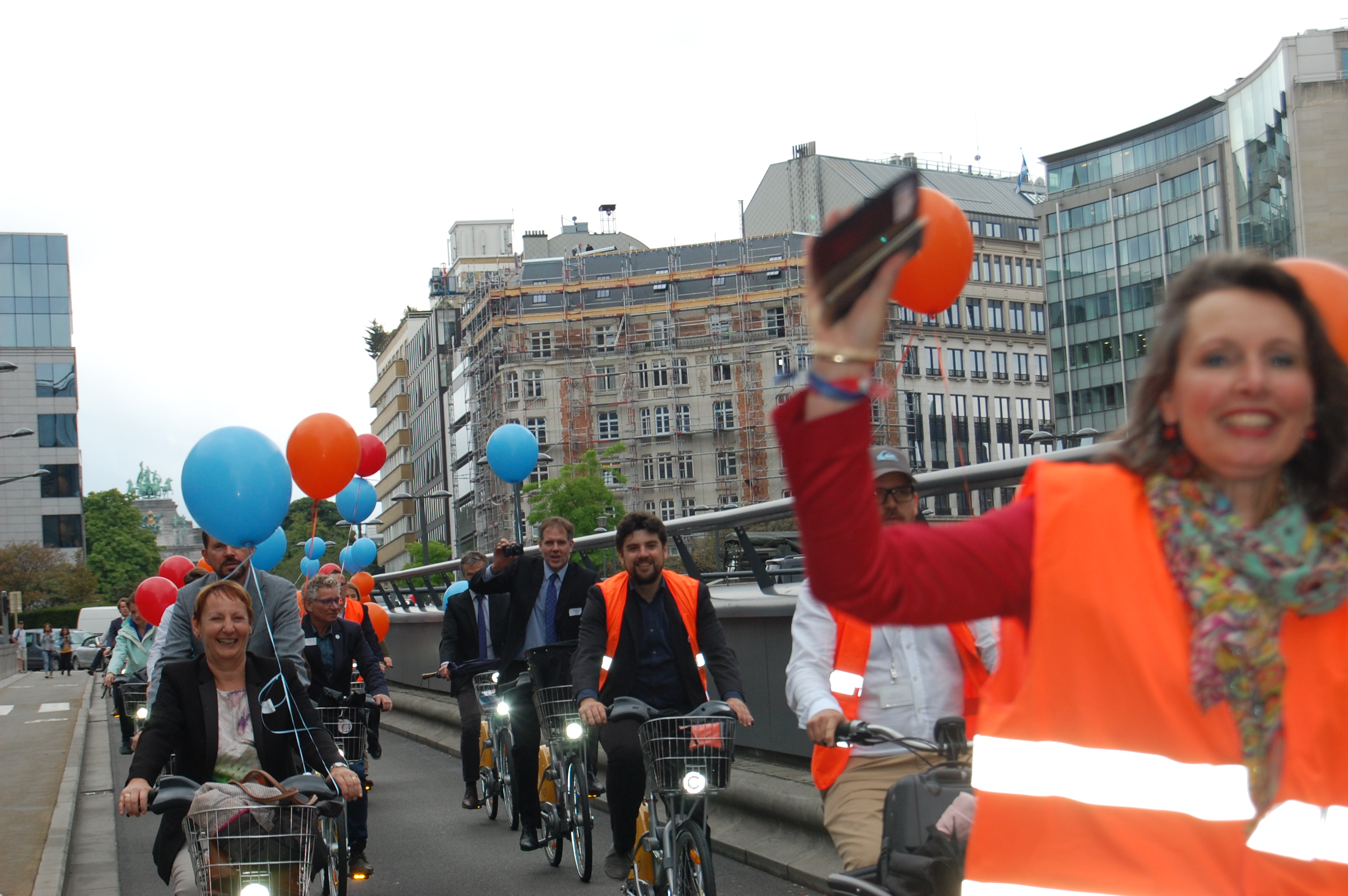
Cyclists on the streets of Brussels. Source: European Cyclists' Federation
A year after the plan was put into action, the first results were quite visible. The number of cyclists has increased by at least 36% compared to October 2021, or 16% compared to November 2022. The city authorities attribute the growth in cycling in Brussels not only to the new traffic pattern in the city centre. Other factors include the introduction of special zones with a maximum speed limit of 30 km/h, the impact of the coronavirus pandemic, and rising fuel prices.
"These numbers are better than we expected, both in terms of the drop in transit traffic and the explosive growth in the number of cyclists. They confirm the feeling that many Brussels residents now have: the centre is quieter and more pleasant, and the neighbourhoods and catering establishments are benefiting from this. It's also very positive that these reductions are often on streets with schools," said Brussels Deputy for Mobility Bart Dondt in a commentary to Eltis, an online platform covering urban mobility.
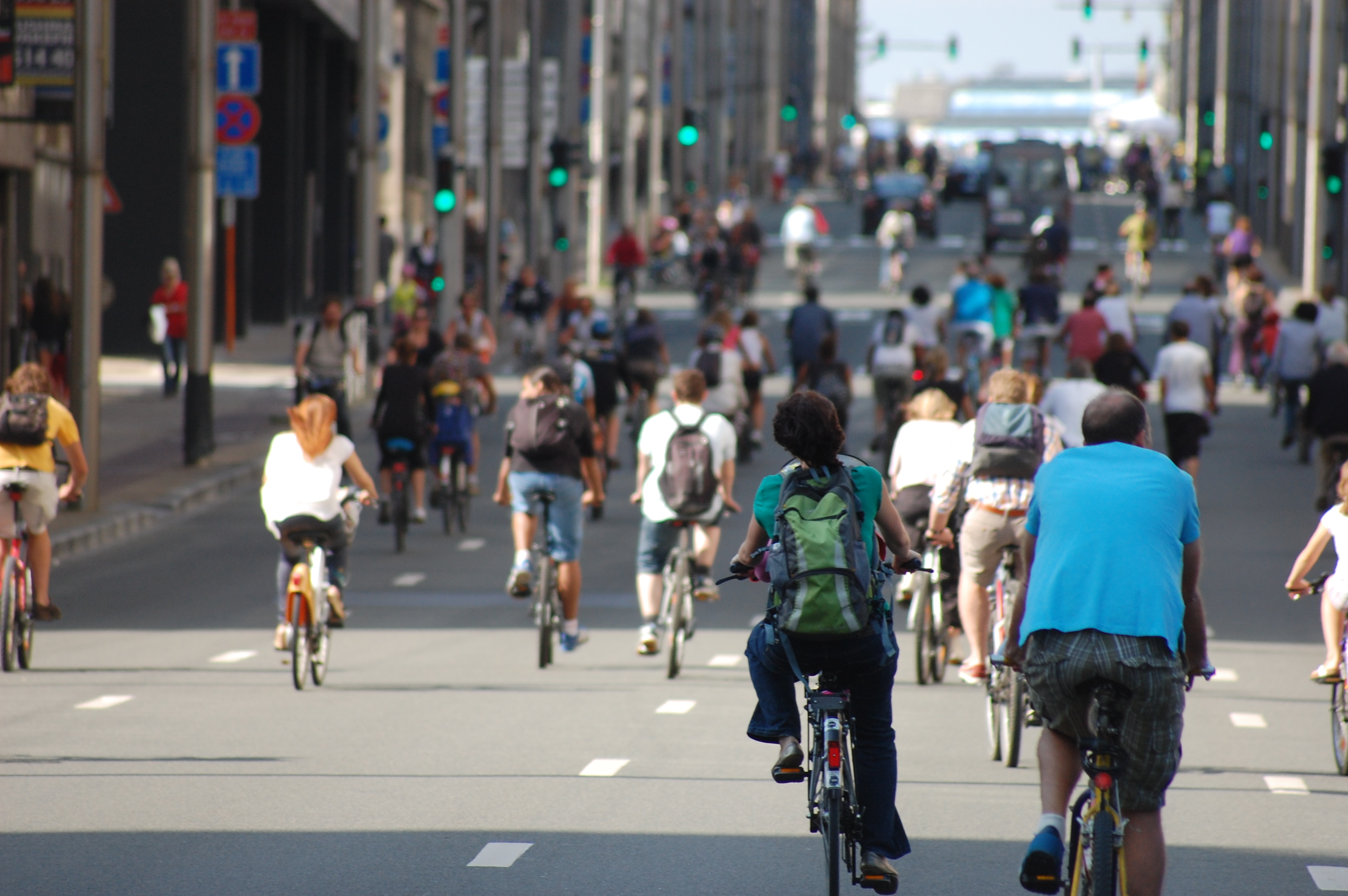
More and more Brussels residents are switching to bicycles. Source: European Cyclists' Federation
At the same time, traffic in the city centre of the Belgian capital has significantly decreased by at least 27%. However, some streets have seen an increase in traffic, especially on the access roads to and from the centre. This is not surprising, as the new traffic management plan concentrates traffic on a limited number of streets in an attempt to reduce the overall load on the area.
The impact of the new traffic management plan is still being analysed. The city authorities are now paying special attention to those streets where an increase in traffic has been recorded. "The work is not yet complete. We want to continue looking for solutions where necessary through dialogue and communication," added Bart Dondt.
***
References:
https://www.flickr.com/photos/eucyclistsfed/35570897506/in/photostream/